

Polycystic Ovary Syndrome, better known as PCOS, is one of the most common hormonal conditions affecting women of reproductive age, yet it remains widely misunderstood. If you have been experiencing irregular periods, stubborn acne, unexplained weight gain, or difficulty getting pregnant, you may be dealing with the effects of this condition without even knowing it. Understanding PCOS symptoms in women is often the first step toward getting the right diagnosis and reclaiming control over your health.
PCOS affects an estimated 1 in 10 women of childbearing age worldwide, making it one of the leading causes of infertility and hormonal imbalance in women. Despite how common it is, research shows that up to 70% of women with PCOS remain undiagnosed, often because symptoms are dismissed as “normal” period problems, stress, or simply part of being a woman. This delay in diagnosis can mean years of unexplained symptoms, frustration, and in some cases, avoidable long-term health complications such as type 2 diabetes and heart disease.
Early diagnosis matters. The sooner PCOS is identified, the sooner a woman can begin managing her symptoms, protecting her fertility, and reducing her risk of complications later in life. This is not a condition with a single, universal experience symptoms differ from woman to woman, and they can change over time depending on age, weight, lifestyle, and hormonal fluctuations.
In this comprehensive guide, you will learn what PCOS is, the full range of symptoms to watch for, what causes the condition, how doctors diagnose it, and the treatment and lifestyle strategies including diet and exercise that can help you manage it effectively. We’ll also address fertility and pregnancy concerns, mental health impacts, and the most common myths surrounding PCOS.
Use the table of contents below to jump to any section you’re interested in.
Table of Contents
- What Is PCOS?
- PCOS Symptoms in Women
- What Causes PCOS?
- Who Is Most at Risk?
- How Is PCOS Diagnosed?
- Complications of PCOS
- PCOS and Fertility
- PCOS During Pregnancy
- PCOS Treatment Options
- Best Diet for PCOS
- Exercise and Weight Management
- Mental Health and PCOS
- Myths About PCOS
- Frequently Asked Questions
- When to See a Doctor
- Key Takeaways
What Is PCOS?
Polycystic Ovary Syndrome (PCOS) is a hormonal disorder that affects how a woman’s ovaries function. The name itself can be misleading “polycystic” refers to the multiple small, fluid-filled follicles that can sometimes be seen on the ovaries during an ultrasound, but these are not true cysts in the medical sense. They are immature follicles that haven’t developed properly due to hormonal imbalances.
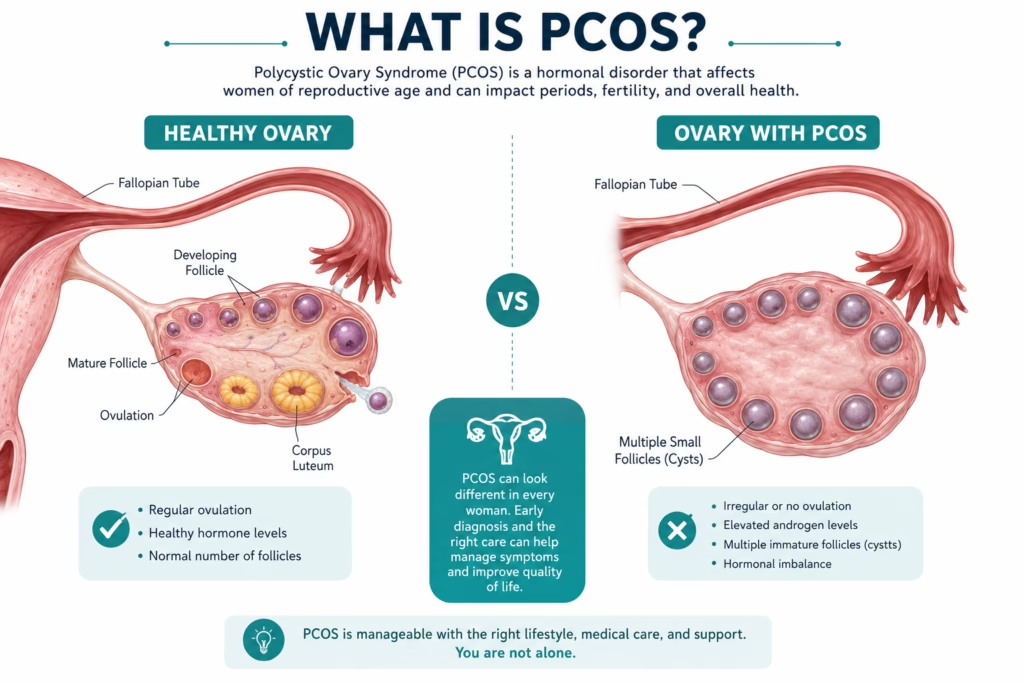
At its core, PCOS is a condition involving an imbalance of reproductive hormones. Women with PCOS often produce higher-than-normal levels of androgens (male hormones that all women have in small amounts). This hormonal imbalance interferes with the normal development and release of eggs from the ovaries during ovulation.
How PCOS affects hormones: In a typical menstrual cycle, hormones like estrogen, progesterone, follicle-stimulating hormone (FSH), and luteinizing hormone (LH) work together to trigger ovulation each month. In PCOS, this delicate balance is disrupted. Many women with PCOS have elevated LH levels relative to FSH, along with higher androgen levels and, frequently, insulin resistance. These disruptions prevent the ovaries from releasing a mature egg regularly.
How it affects ovulation: Because the hormonal signals needed for ovulation are disrupted, follicles may start to develop but fail to mature and release an egg. Instead, they can remain as small, underdeveloped follicles within the ovary. This is why ovulation becomes irregular or, in some cases, stops altogether — a condition known as anovulation.
Why not every woman with PCOS has ovarian cysts: One of the most persistent misunderstandings about this condition is that a woman must have visible cysts on her ovaries to be diagnosed. In reality, a woman can be diagnosed with PCOS without any ovarian cysts showing up on an ultrasound, as long as she meets other diagnostic criteria such as irregular ovulation and elevated androgen levels. Conversely, some women may have polycystic-appearing ovaries on ultrasound without having the syndrome at all.
Difference between ovarian cysts and PCOS: A regular ovarian cyst is typically a single, larger fluid-filled sac that develops as part of the normal menstrual cycle or due to another condition, and it often resolves on its own. The follicles seen in PCOS are usually smaller, more numerous, and represent immature eggs that never fully developed they are a symptom of the hormonal imbalance, not a separate disease in themselves. Understanding this distinction is important because it explains why treatment for PCOS focuses on correcting the underlying hormonal imbalance rather than simply removing cysts.
PCOS Symptoms in Women
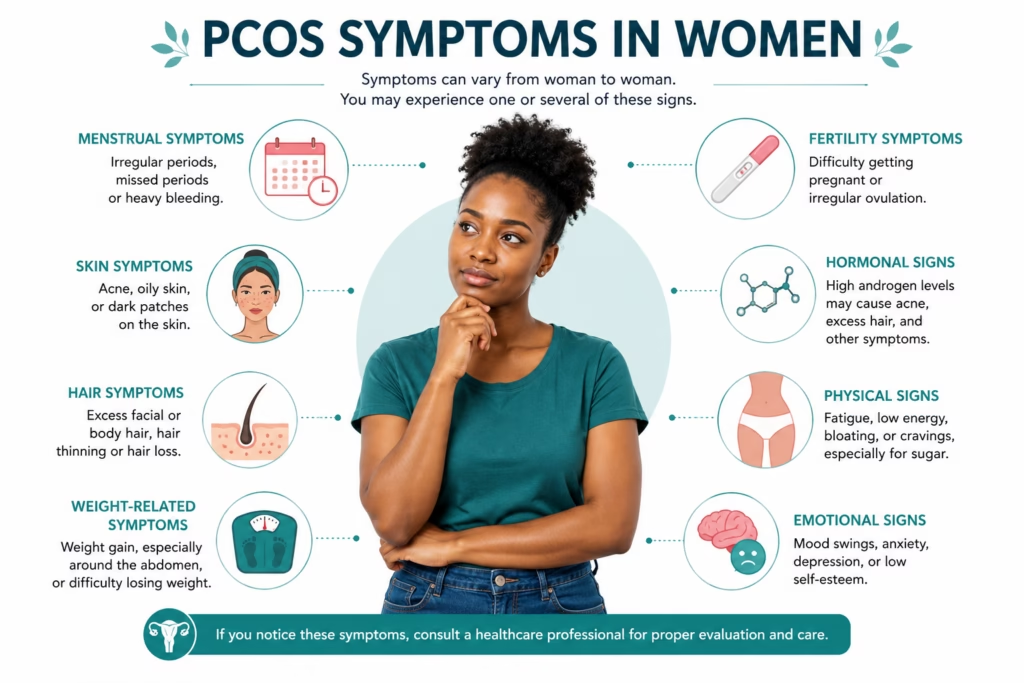
Symptoms of PCOS vary considerably from one woman to another, and even within the same woman, they can shift over time often worsening with weight gain and improving with lifestyle changes or treatment. Some women experience only mild, occasional symptoms, while others face a combination of severe menstrual irregularities, skin changes, and metabolic issues. Recognizing the full range of PCOS symptoms in women is essential for early identification and management.
Menstrual Symptoms
Menstrual irregularities are often the earliest and most noticeable sign of PCOS, since they directly reflect disrupted ovulation.
- Irregular periods – Cycles that are unpredictable in length, sometimes arriving early and other times very late.
- Missed periods – Some women go months without a period, a condition called oligomenorrhea or amenorrhea when periods stop entirely.
- Heavy bleeding – Because the uterine lining can build up over longer periods without shedding, some women experience unusually heavy or prolonged bleeding when a period does occur.
- Painful periods – Cramping and discomfort that may be more intense than what is typically experienced.
Skin Symptoms
Elevated androgen levels have a direct effect on the skin, often making these symptoms among the most visible signs of PCOS.
- Hormonal acne – Typically appears along the jawline, chin, and lower cheeks, and tends to be resistant to standard over-the-counter treatments.
- Oily skin – Increased androgen activity boosts oil (sebum) production, leading to persistently oily skin.
- Dark patches (acanthosis nigricans) – Velvety, darkened patches of skin, often found in the armpits, neck folds, or groin, which are strongly linked to insulin resistance.
Hair Symptoms
Hair-related symptoms can be some of the most emotionally distressing for women with PCOS, as they affect appearance and self-confidence.
- Excess facial hair (hirsutism) – Coarse, dark hair growth on the chin, upper lip, or jawline.
- Hair on chest and abdomen – Excess hair growth can extend beyond the face to other androgen-sensitive areas of the body.
- Hair thinning – Thinning hair on the scalp, often most noticeable at the crown or part line.
- Male-pattern baldness – In more pronounced cases, women may experience a receding hairline or diffuse thinning that resembles male-pattern hair loss.
Weight-Related Symptoms
Weight changes in PCOS are closely tied to insulin resistance and hormonal imbalance, though it’s important to note that not all women with PCOS are overweight.
- Weight gain – Often gradual and can occur even without significant changes in diet or activity level.
- Difficulty losing weight – Insulin resistance can make weight loss considerably more challenging than for women without PCOS.
- Increased belly fat – A tendency toward central or abdominal weight gain (an “apple” body shape) rather than weight distributed more evenly.
Fertility Symptoms
Because PCOS disrupts ovulation, fertility-related symptoms are common and often the reason many women seek medical attention.
- Irregular ovulation – Ovulation may happen unpredictably or not at all in a given cycle.
- Difficulty conceiving – Reduced or absent ovulation makes it harder to become pregnant naturally, though it does not mean pregnancy is impossible.
Emotional and Mental Health Symptoms
The hormonal fluctuations associated with PCOS, combined with the visible physical symptoms, can take a real toll on emotional wellbeing.
- Anxiety – Many women report heightened anxiety, which may be linked both to hormonal changes and to the stress of managing visible symptoms.
- Depression – Rates of depression are notably higher among women with PCOS compared to the general population.
- Mood changes – Hormonal fluctuations can contribute to irritability and mood swings.
- Low self-esteem – Symptoms like acne, weight gain, and excess hair growth can significantly affect body image and confidence.
Early PCOS Symptoms You Should Never Ignore
Certain patterns of symptoms, especially when they appear together, warrant prompt medical attention rather than being brushed aside:
- Periods every 2–3 months, or longer gaps between cycles
- Persistent acne that doesn’t respond to typical skincare routines
- Rapid or unexplained weight gain
- Excess hair growth in new areas of the body
- Noticeable hair loss or thinning
- Difficulty getting pregnant after several months of trying
If you’re noticing several of these signs together, it’s worth speaking to a doctor sooner rather than later. (For a deeper dive specifically into early warning signs, see our dedicated article on Early PCOS Symptoms in Women.)
What Causes PCOS?
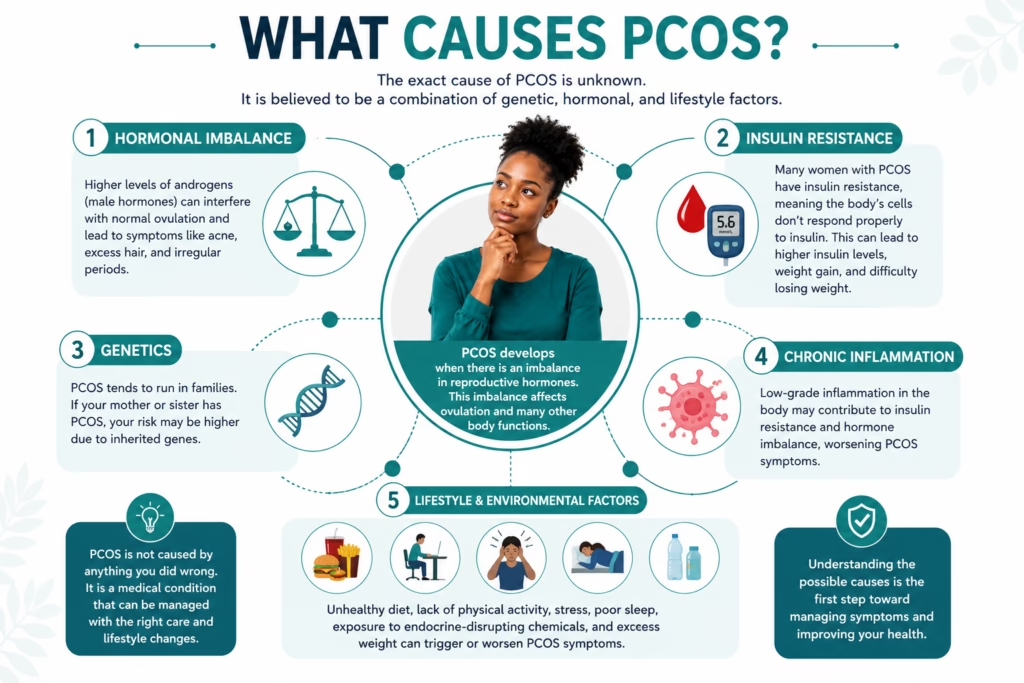
Despite decades of research, the exact cause of PCOS is still not fully understood. Most experts agree the condition is multifactorial, meaning it likely arises from a combination of genetic, hormonal, metabolic, and environmental factors working together rather than a single identifiable cause.
Hormonal Imbalance
At the center of PCOS is an imbalance in reproductive hormones. Many women with the condition have elevated androgen levels, along with an altered ratio of luteinizing hormone (LH) to follicle-stimulating hormone (FSH). This imbalance interferes with normal follicle development and ovulation, setting off the chain of symptoms described above.
Insulin Resistance
Insulin resistance is one of the most significant underlying factors in PCOS. When the body’s cells don’t respond efficiently to insulin, the pancreas compensates by producing more of it. Elevated insulin levels can, in turn, stimulate the ovaries to produce more androgens, worsening symptoms like acne, excess hair growth, and irregular periods. This is also why insulin resistance is closely tied to weight gain and an increased long-term risk of type 2 diabetes in women with PCOS.
Genetics
PCOS tends to run in families, suggesting a strong genetic component. Women who have a mother or sister with PCOS are significantly more likely to develop the condition themselves. Researchers have identified several genes that may be involved in regulating androgen production and insulin metabolism, though no single “PCOS gene” has been found.
Chronic Inflammation
Many women with PCOS show signs of low-grade chronic inflammation, which research suggests may stimulate the ovaries to produce excess androgens. This connection between inflammation and androgen production adds another layer to the complex web of factors driving the condition.
Lifestyle and Environmental Factors
While lifestyle does not cause PCOS outright, factors such as diet, physical activity levels, and exposure to certain environmental influences can affect how severely symptoms present and how the condition progresses over time. Excess weight, in particular, can worsen insulin resistance and hormonal imbalance, creating a cycle that intensifies symptoms.
It’s worth emphasizing again: the exact cause of PCOS remains unknown, and it is likely the result of multiple interacting factors rather than one single trigger. This is part of why treatment approaches tend to be individualized rather than one-size-fits-all.
Who Is Most at Risk of Developing PCOS?
While PCOS can affect any woman of reproductive age, certain factors increase the likelihood of developing the condition:
- Family history – Having a close relative, such as a mother or sister, with PCOS significantly raises your risk, pointing to a genetic predisposition.
- Insulin resistance – Women who already have insulin resistance, whether due to lifestyle, genetics, or other conditions, are more prone to developing PCOS.
- Obesity – Excess body weight is associated with a higher risk of PCOS and can worsen symptoms; however, it’s important to note that lean women can also have PCOS, and body weight alone does not determine risk.
- Adolescents – PCOS often begins to show symptoms shortly after a girl’s first period, making adolescence a critical window for early recognition, even though diagnosis in teenagers requires careful evaluation since irregular cycles can be normal in the first few years after menarche.
- Ethnicity – Some research suggests differences in how PCOS presents across different ethnic groups, with variations in the prevalence of insulin resistance, metabolic complications, and the severity of symptoms like hirsutism. However, PCOS occurs across all ethnic and racial backgrounds.
How Is PCOS Diagnosed?
There is no single test that can confirm PCOS on its own. Instead, doctors use a combination of methods to build a complete picture before arriving at a diagnosis.
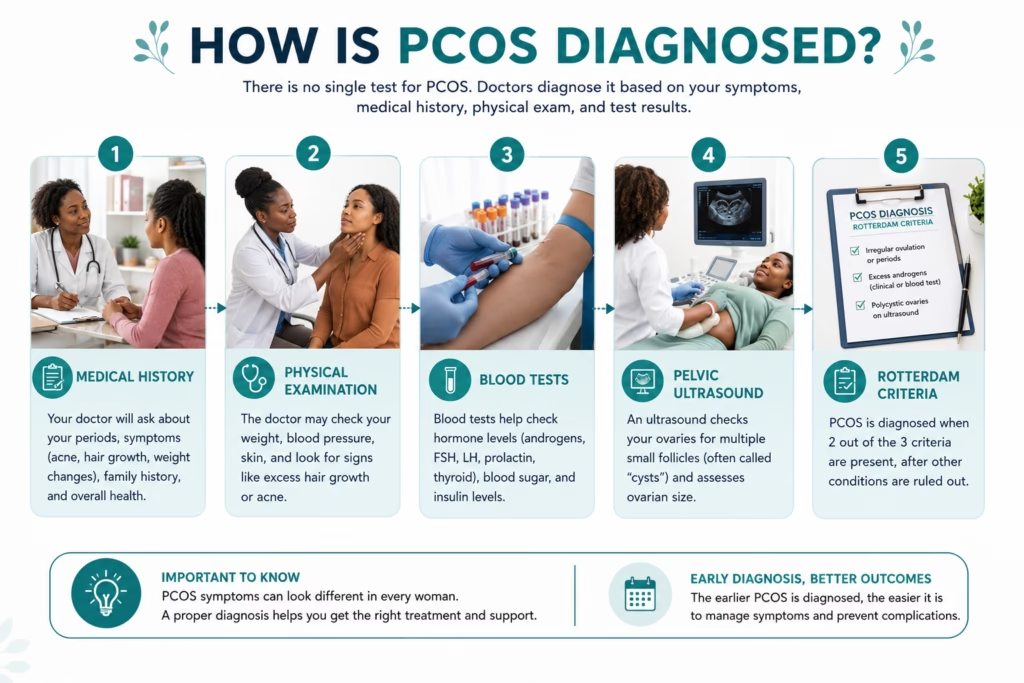
Medical History: Your doctor will ask detailed questions about your menstrual cycle patterns, weight changes, skin and hair symptoms, family history of PCOS or diabetes, and any difficulties with fertility.
Physical Examination: This typically includes checking for visible signs such as excess hair growth, acne, and skin changes like acanthosis nigricans, as well as measuring blood pressure, weight, and waist circumference.
Blood Tests: These are used to measure hormone levels, including androgens, LH, FSH, and thyroid hormones (to rule out thyroid conditions that can mimic PCOS symptoms). Blood tests may also check glucose and insulin levels, as well as cholesterol, since these are commonly affected in PCOS.
Pelvic Ultrasound: An ultrasound allows doctors to examine the ovaries for the characteristic appearance of multiple small follicles, as well as to check the thickness of the uterine lining.
Rotterdam Criteria: This is the most widely used diagnostic framework for PCOS. Under the Rotterdam Criteria, a woman is diagnosed with PCOS if she meets at least two of the following three criteria:
- Irregular or absent ovulation
- Clinical or biochemical signs of elevated androgens (such as excess hair growth or elevated blood androgen levels)
- Polycystic-appearing ovaries on ultrasound
Because only two of the three criteria are needed, this explains why some women are diagnosed without any visible ovarian cysts, while others may have polycystic-appearing ovaries without actually having PCOS.
Diagnostic Process Summary
| Step | Purpose |
|---|---|
| Medical history | Identify symptom patterns and family history |
| Physical exam | Check for visible signs like acne, hirsutism, skin changes |
| Blood tests | Measure hormone levels, glucose, insulin, cholesterol |
| Pelvic ultrasound | Examine ovaries and uterine lining |
| Rotterdam Criteria | Confirm diagnosis using at least 2 of 3 criteria |
Possible Complications of PCOS
Left unmanaged, PCOS can contribute to a range of health complications beyond its immediate symptoms:
- Infertility – Irregular or absent ovulation is one of the leading causes of infertility in women with PCOS.
- Type 2 diabetes – Insulin resistance associated with PCOS significantly raises the long-term risk of developing type 2 diabetes.
- High cholesterol – Many women with PCOS have unfavorable cholesterol profiles, including elevated LDL (“bad”) cholesterol and lower HDL (“good”) cholesterol.
- High blood pressure – PCOS is associated with an increased risk of hypertension, particularly when combined with excess weight.
- Sleep apnea – Especially in women who are overweight, PCOS is linked to a higher risk of obstructive sleep apnea.
- Endometrial cancer risk – Infrequent periods mean the uterine lining can build up over time without shedding, which may increase the long-term risk of endometrial cancer if left unaddressed.
- Metabolic syndrome – The combination of insulin resistance, abdominal weight gain, high blood pressure, and abnormal cholesterol levels significantly raises the risk of cardiovascular disease.
These potential complications are precisely why early diagnosis and consistent management matter so much, even for women who aren’t currently trying to conceive.
PCOS and Fertility
One of the most pressing concerns for many women diagnosed with PCOS is what it means for their ability to have children. It’s a valid concern, but it’s important to understand the full picture.
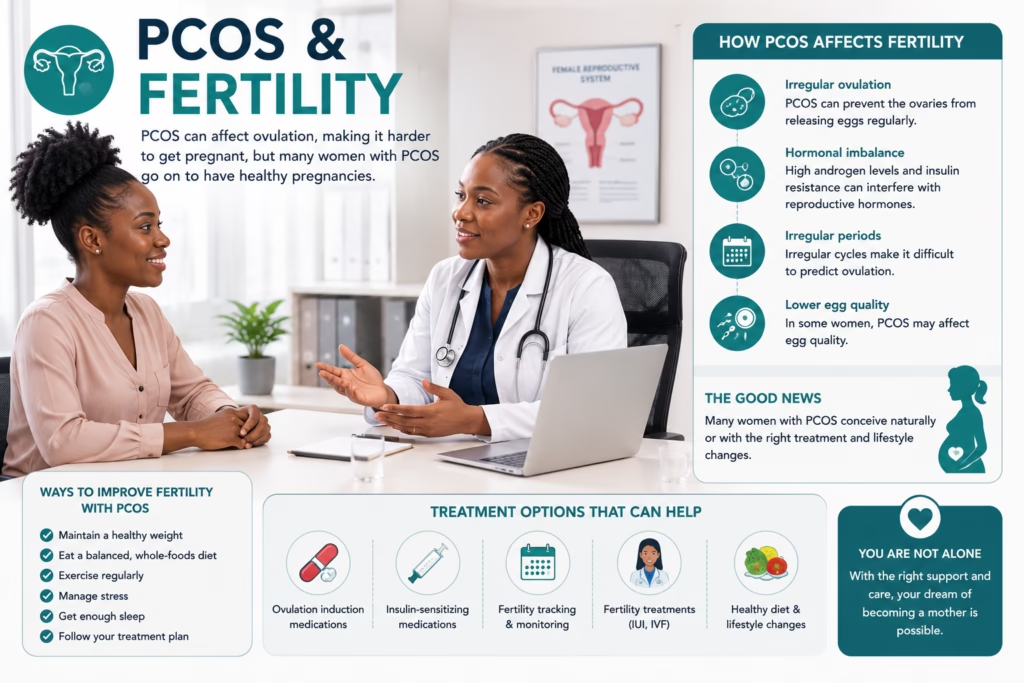
Why PCOS affects ovulation: The hormonal imbalances characteristic of PCOS elevated androgens, disrupted LH-to-FSH ratios, and insulin resistance — interfere with the normal maturation and release of eggs. Without regular ovulation, conception becomes more difficult because there is no egg available for fertilization during many cycles.
Can women with PCOS get pregnant? Yes. While PCOS is one of the most common causes of infertility, the majority of women with the condition can and do become pregnant, either naturally or with medical support. Many women conceive without any intervention at all, particularly if their cycles are only mildly irregular.
Fertility treatments: For women who need support conceiving, several options are available. These often start with medications designed to stimulate ovulation, and can progress to more advanced fertility treatments if needed, always under the guidance of a fertility specialist or gynecologist. Treatment plans are individualized based on age, symptom severity, and how long a couple has been trying to conceive.
Lifestyle changes that support fertility: Achieving even a modest weight loss (in women who are overweight), improving insulin sensitivity through diet and exercise, managing stress, and maintaining consistent sleep patterns can all improve the likelihood of regular ovulation and natural conception.
(Internal link opportunity: Can You Get Pregnant with PCOS?)
PCOS During Pregnancy
Women with PCOS who do become pregnant face a somewhat higher risk of certain complications, which makes attentive prenatal care especially important.
- Gestational diabetes – Because PCOS is closely linked to insulin resistance, pregnant women with the condition have an elevated risk of developing gestational diabetes, which requires careful blood sugar monitoring throughout pregnancy.
- High blood pressure – Conditions like gestational hypertension and preeclampsia occur more frequently in women with PCOS.
- Miscarriage risk – Some studies suggest a higher rate of early pregnancy loss among women with PCOS, though the reasons for this are still being studied and are likely related to hormonal and metabolic factors.
- Prenatal care – Regular prenatal visits, blood sugar screening, and blood pressure monitoring become especially important for women with PCOS to catch and manage complications early.
- Healthy pregnancy tips – Maintaining a balanced diet, staying physically active as advised by your doctor, monitoring weight gain within recommended ranges, and closely following your prenatal care schedule can all help support a healthier pregnancy.
With proper monitoring and care, most women with PCOS go on to have healthy pregnancies and healthy babies.
PCOS Treatment Options
There is currently no cure for PCOS, but a wide range of treatment options can effectively manage its symptoms. Because PCOS looks different for every woman, treatment plans are typically organized around specific goals rather than a single standard protocol.
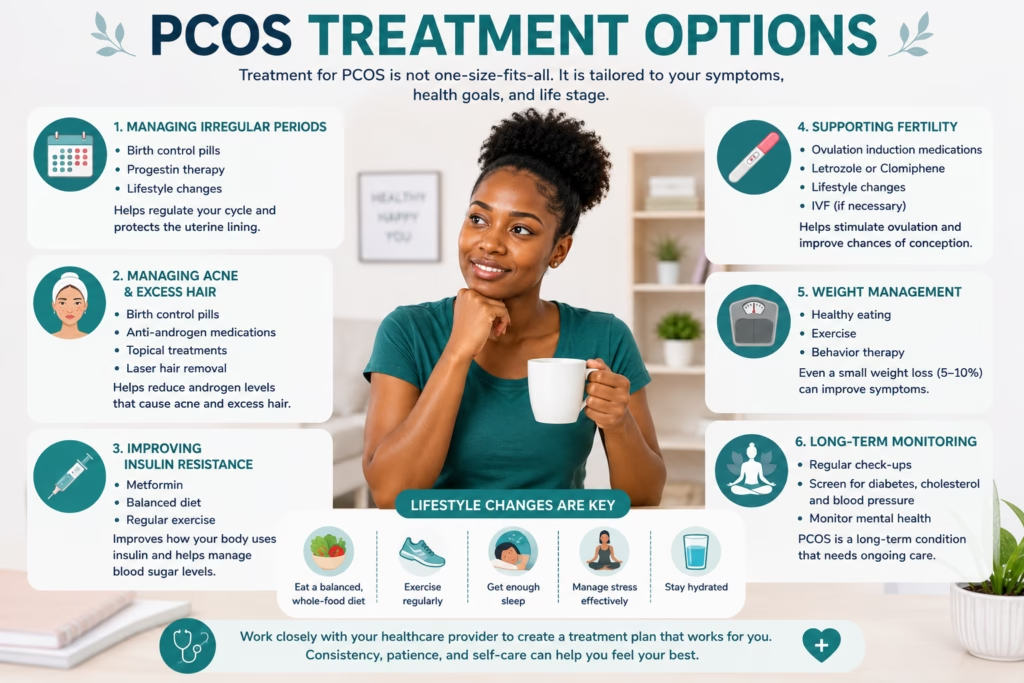
Managing Irregular Periods
Hormonal birth control (pills, patches, or hormonal IUDs) is commonly prescribed to regulate menstrual cycles, reduce excess androgen effects, and protect the uterine lining from overgrowth. For women not looking to use hormonal contraception, other medications may be used to induce regular withdrawal bleeding.
Managing Acne and Excess Hair
Anti-androgen medications can help reduce the effects of excess male hormones on the skin and hair follicles. Topical treatments for acne, along with hair-removal methods such as laser treatment or electrolysis, are often used alongside medical therapy for hirsutism.
Improving Insulin Resistance
Medications that improve the body’s sensitivity to insulin are frequently prescribed, particularly for women who show signs of insulin resistance. These can help regulate blood sugar, support more regular ovulation, and, in some cases, aid with weight management.
Supporting Fertility
For women trying to conceive, ovulation-inducing medications are typically the first line of treatment, often combined with lifestyle changes. If these aren’t successful, more advanced fertility treatments may be recommended by a specialist.
Weight Management
For women who are overweight, even a modest reduction in body weight (around 5–10%) has been shown to meaningfully improve hormone levels, restore more regular ovulation, and reduce symptom severity. This is typically approached through sustainable dietary changes and increased physical activity rather than drastic, short-term measures.
Long-Term Monitoring
Because PCOS is associated with increased risks of diabetes, cardiovascular disease, and endometrial changes, regular follow-up with a healthcare provider is important — even once symptoms are well controlled. This may include periodic blood sugar testing, cholesterol checks, and blood pressure monitoring.
It’s worth stressing: treatment plans should always be individualized and guided by a qualified healthcare professional, since what works well for one woman may not be appropriate for another depending on her symptoms, health goals, and whether she is trying to conceive.
Best Diet for PCOS
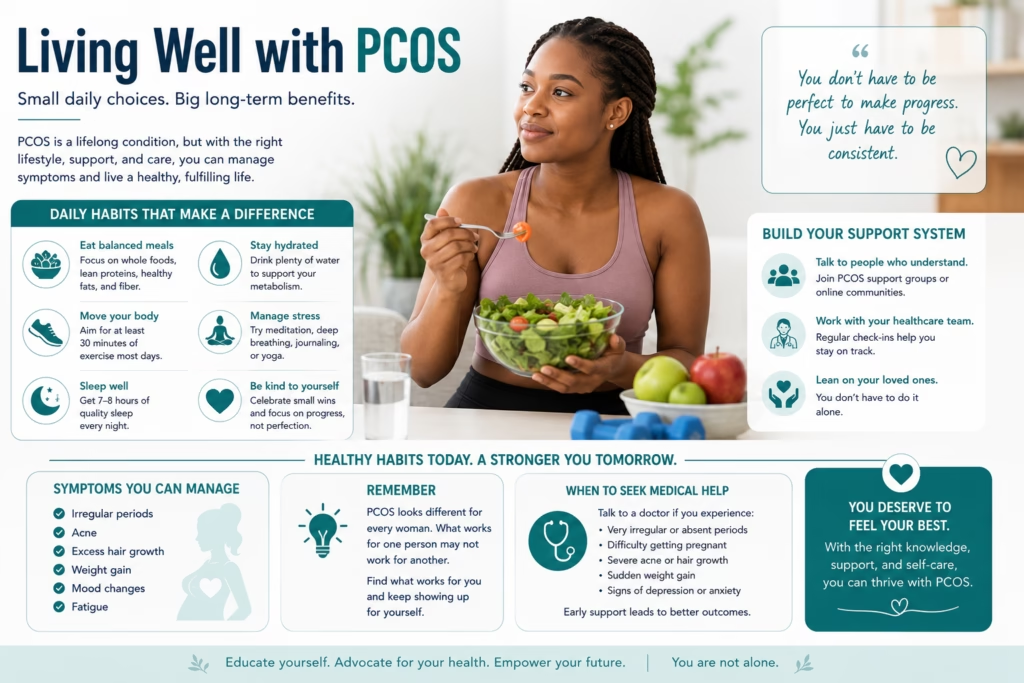
Diet plays a central role in managing insulin resistance, supporting hormone balance, and maintaining a healthy weight for women with PCOS. There’s no single “PCOS diet” that works for everyone, but certain dietary patterns consistently show benefits.
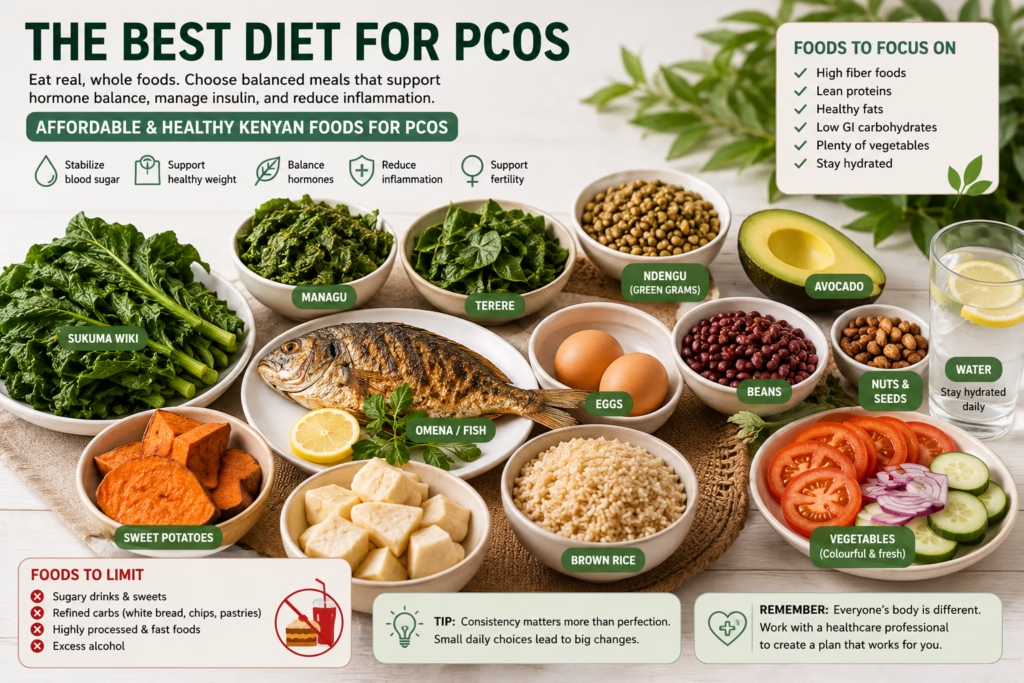
Foods to Eat
- Vegetables – Especially non-starchy, fiber-rich vegetables that help slow sugar absorption and support gut health.
- Fruits – Whole fruits provide fiber, vitamins, and antioxidants; pairing them with a protein source can help minimize blood sugar spikes.
- Lean proteins – Chicken, fish, eggs, and plant-based proteins help stabilize blood sugar and support satiety.
- Healthy fats – Sources like avocado, nuts, seeds, and olive oil support hormone production and help slow digestion.
- Whole grains – Foods like brown rice, oats, and whole wheat provide fiber and have a gentler effect on blood sugar compared to refined grains.
Foods to Limit
- Sugary drinks – Sodas, sweetened juices, and other sugary beverages can cause rapid blood sugar spikes that worsen insulin resistance.
- Refined carbohydrates – White bread, white rice, and pastries are quickly broken down into sugar and can aggravate insulin resistance over time.
- Highly processed foods – Packaged snacks and fast foods are often high in unhealthy fats, sodium, and added sugars, all of which can worsen inflammation and metabolic symptoms.
Affordable Kenyan Foods for Women with PCOS
For women looking for locally accessible, budget-friendly options that align with a PCOS-friendly diet, many traditional Kenyan foods fit well:
- Arrowroots (Nduma) – A nutritious, fiber-rich root vegetable that makes a good alternative to more refined starches.
- Sweet potatoes – A lower-glycemic-index option compared to white potatoes, providing fiber and steady energy.
- Ndengu (green grams) – An excellent plant-based protein and fiber source that supports blood sugar stability.
- Beans – Widely available, affordable, and rich in both protein and fiber.
- Omena (silver cyprinid) – A budget-friendly source of protein and omega-3 fatty acids.
- Sukuma wiki (collard greens) – A staple leafy green that’s low in calories and rich in fiber and micronutrients.
- Managu (African nightshade) – A traditional leafy vegetable rich in antioxidants and fiber.
- Terere (amaranth greens) – Another nutrient-dense traditional green that supports overall metabolic health.
- Avocados – Widely available and an excellent source of healthy fats that support hormone balance.
Building meals around these accessible, nutrient-dense foods makes it easier to follow PCOS-friendly eating patterns without relying on expensive or hard-to-find specialty products.
Exercise and Weight Management
Physical activity is one of the most effective tools for managing PCOS, particularly because of its direct impact on insulin sensitivity, independent of weight loss.
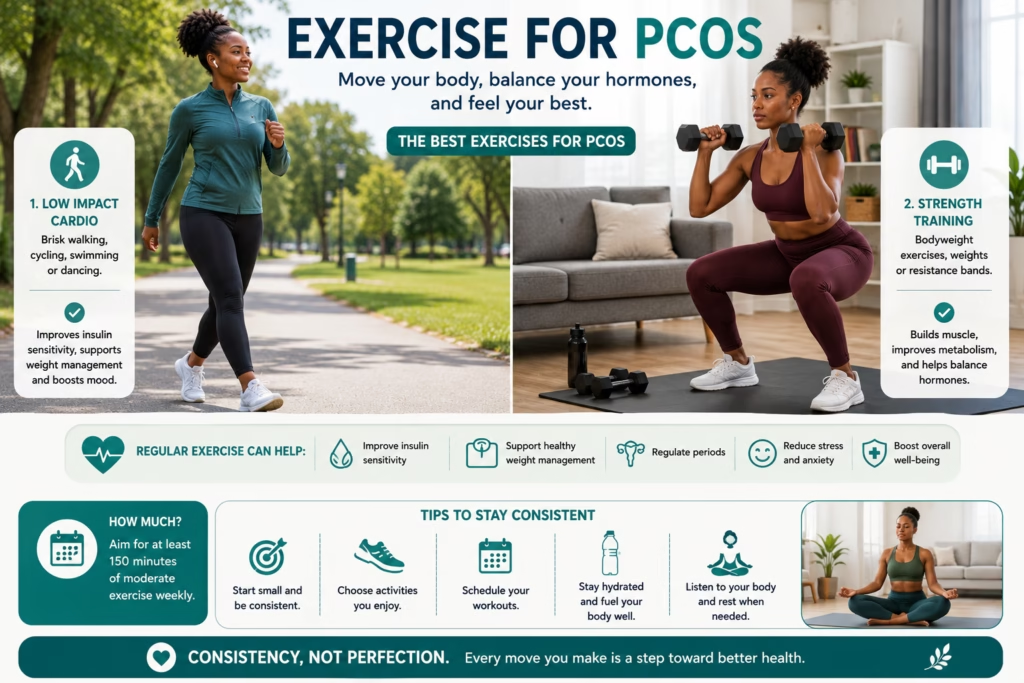
- Walking – A simple, low-impact form of exercise that’s accessible to almost everyone and can be built into a daily routine without special equipment.
- Strength training – Building muscle mass helps improve how the body uses insulin, making strength training especially valuable for women with PCOS.
- Home workouts – Bodyweight exercises, yoga, or resistance band routines offer a flexible, low-cost way to stay active without needing a gym membership.
- Weekly activity goals – Aiming for at least 150 minutes of moderate activity per week (such as brisk walking) spread across several days is a widely recommended general target, though individual goals should be discussed with a healthcare provider.
- Why crash diets usually don’t work – Very restrictive, short-term diets often lead to rapid weight regain and can worsen the relationship many women have with food. They may also fail to address the underlying insulin resistance driving PCOS symptoms. Sustainable, gradual changes to both diet and activity levels tend to produce better long-term results for symptom management.
Mental Health and PCOS
The impact of PCOS extends well beyond physical symptoms. Living with a chronic hormonal condition — one that can visibly affect the skin, hair, and body shape — often takes a significant emotional toll.
- Anxiety – Uncertainty around irregular cycles, fertility concerns, and visible symptoms can contribute to ongoing anxiety.
- Depression – Research consistently shows higher rates of depression among women with PCOS compared to women without the condition.
- Body image – Symptoms like weight gain, acne, and excess hair growth can significantly affect how women feel about their bodies and appearance.
- Self-confidence – The combination of physical symptoms and fertility concerns can chip away at self-esteem over time.
- Stress management – Chronic stress can worsen hormonal imbalances, making stress-reduction practices like mindfulness, adequate sleep, and relaxation techniques a meaningful part of overall management.
- Support groups – Connecting with other women who understand the condition, whether through in-person or online communities, can reduce feelings of isolation and provide practical coping strategies.
- When to seek mental health support – If feelings of anxiety, low mood, or body image concerns are persistent, interfering with daily life, or accompanied by feelings of hopelessness, it’s important to reach out to a mental health professional. PCOS-related emotional struggles are valid and deserve the same attention as physical symptoms.
If you’re finding it hard to cope with the emotional side of PCOS, please know that support is available, and speaking with a counselor, therapist, or doctor can be a meaningful first step.
Common Myths About PCOS
Misinformation about PCOS is widespread, often leading to delayed diagnoses or unnecessary anxiety. Here are some of the most persistent myths, alongside the facts.
| Myth | Fact |
|---|---|
| PCOS only affects overweight women. | Women of all body sizes can have PCOS. |
| You can never get pregnant with PCOS. | Many women conceive naturally or with treatment. |
| PCOS always causes ovarian cysts. | Ovarian cysts are not required for diagnosis. |
| PCOS has a quick cure. | There is no cure, but symptoms can often be managed effectively. |
| Missing periods is normal. | Persistent irregular periods should be evaluated. |
Frequently Asked Questions About PCOS Symptoms in Women
What are the first PCOS symptoms in women? The earliest signs often include irregular or infrequent periods, persistent acne along the jawline, and gradual weight gain. Excess hair growth or thinning scalp hair may also appear early on for some women.
Can PCOS be cured? There is currently no cure for PCOS. However, symptoms can be effectively managed through a combination of lifestyle changes, medications, and regular medical monitoring.
Can slim women have PCOS? Yes. While PCOS is often associated with weight gain, lean women can absolutely have the condition. This is sometimes referred to as “lean PCOS,” and it can be harder to diagnose because some of the typical visual cues are less obvious.
Can teenagers get PCOS? Yes, PCOS symptoms often begin shortly after a girl’s first period. However, diagnosis in teenagers requires careful evaluation, since irregular cycles can be a normal part of the first couple of years after menarche.
Does PCOS cause hair loss? Yes, elevated androgen levels associated with PCOS can lead to thinning hair on the scalp, sometimes following a pattern similar to male-pattern baldness.
Can women with PCOS get pregnant? Yes. While PCOS is a leading cause of infertility, most women with the condition are able to conceive, either naturally or with the help of fertility treatments and lifestyle adjustments.
Does PCOS go away? PCOS is a chronic condition that doesn’t simply resolve on its own, though symptoms can improve significantly with treatment, weight management, and lifestyle changes. Symptoms may also naturally shift with age and hormonal changes such as menopause.
Is PCOS hereditary? There is a strong genetic component to PCOS. Women with a mother or sister who has the condition are at significantly higher risk of developing it themselves.
What foods should I avoid? Sugary drinks, refined carbohydrates like white bread and pastries, and highly processed foods are generally best limited, as they can worsen insulin resistance and inflammation.
How long does treatment take? There’s no fixed timeline, since PCOS is a long-term condition. Some symptoms, like acne, may improve within a few months of starting treatment, while others, such as fertility outcomes or long-term metabolic health, may require ongoing management over years.
When Should You See a Doctor?
You should consider scheduling a medical evaluation if you experience any of the following:
- Very irregular or absent periods
- Difficulty becoming pregnant after several months of trying
- Excess facial or body hair growth
- Persistent acne that doesn’t respond to typical treatments
- Rapid or unexplained weight gain
- Symptoms that are affecting your daily life, confidence, or emotional wellbeing
Preparing for your appointment: Before your visit, it can help to track your menstrual cycles for a few months, noting the length of each cycle, flow intensity, and any accompanying symptoms like pain or mood changes. Keeping a simple log of skin changes, hair growth or loss, and weight fluctuations can also give your doctor a clearer picture and help guide a faster, more accurate diagnosis.
Key Takeaways
- PCOS is a common hormonal condition affecting women, driven by a mix of hormonal imbalance, insulin resistance, genetics, and other factors.
- Symptoms vary widely and can involve menstrual, skin, hair, weight, and fertility changes — no two women experience PCOS in exactly the same way.
- Early diagnosis can improve symptom management and reduce the risk of long-term complications like diabetes and cardiovascular disease.
- Healthy eating, regular exercise, and appropriate medical care are central to managing PCOS effectively.
- Many women with PCOS can achieve their health and fertility goals with the right support, treatment, and lifestyle adjustments.
This article is for informational purposes only and is not a substitute for professional medical advice. If you suspect you have PCOS or are experiencing any of the symptoms described above, please consult a qualified healthcare provider for proper evaluation and personalized guidance.