

How to Balance Hormones Naturally
You wake up exhausted even after eight hours of sleep. Your mood crashes for no reason. You’re doing everything “right” with your diet and exercise, but your belly won’t budge. Your skin breaks out like you’re a teenager again, and your period arrives — if it does at all — like an uninvited storm.
Sound familiar?
Most women are told these things are just part of life. Stress. Aging. Being busy. But here’s what many doctors don’t say in a 15-minute appointment: hormones are often the missing piece.
Your hormones influence almost every system in your body — your energy, your mood, your weight, your sleep, your skin, your cycles, and your cravings. When they’re even slightly out of sync, the ripple effects can feel overwhelming.
The good news? Your body is remarkably good at rebalancing itself — given the right support. This guide walks you through everything you need to know about balancing hormones naturally, from the foods you eat to how you sleep, move, and manage stress.
In this article, you’ll learn:
- The most common signs your hormones may be out of balance
- The root causes driving those imbalances
- Practical, science-backed strategies to support natural hormone balance
- The best foods, supplements, and daily habits for hormone health
- When it’s time to seek professional medical guidance

Table of Contents
- What Are Hormones?
- Signs Your Hormones May Be Out of Balance
- What Causes Hormonal Imbalance?
- How to Balance Hormones Naturally
- A Sample Morning Routine for Hormone Balance
- Foods That May Worsen Hormonal Imbalance
- Best Drinks for Hormone Balance
- How Long Does It Take to Balance Hormones Naturally?
- When to See a Doctor
- Frequently Asked Questions
What Are Hormones?
The Simple Explanation
Think of hormones as your body’s internal messaging system. They’re chemical messengers produced by glands — like your thyroid, adrenal glands, ovaries, and pancreas — that travel through your bloodstream and tell your cells and organs what to do.
Hormones regulate almost everything: how hungry you feel, how deeply you sleep, whether your period arrives on schedule, how your body handles stress, and how much energy you have at 3pm. Even tiny shifts in hormone levels can produce noticeable changes in how you feel day to day.
Main Hormones Affecting Women’s Health
| Hormone | Primary Function |
|---|---|
| Estrogen | Reproductive health, bone density, skin, mood |
| Progesterone | Cycle regulation, sleep quality, anxiety balance |
| Cortisol | Stress response, inflammation, blood sugar |
| Insulin | Blood sugar control, fat storage |
| Thyroid hormones (T3/T4) | Metabolism, energy, body temperature |
| Testosterone | Energy, libido, muscle tone, confidence |
| Melatonin | Sleep-wake cycle, antioxidant function |
| Leptin & Ghrelin | Hunger, fullness, and appetite regulation |
These hormones don’t work in isolation — they’re constantly communicating with each other. When one is off, others often follow. That’s why hormonal imbalance can feel so multi-layered and hard to pin down.

Signs Your Hormones May Be Out of Balance
Hormonal imbalances rarely announce themselves with a single obvious symptom. Instead, they tend to show up as a cluster of frustrating, seemingly unrelated issues. Here are the most common patterns to watch for.
Physical Symptoms
- Unexplained weight gain, especially around the belly and hips
- Persistent fatigue that doesn’t improve with rest
- Bloating and digestive sluggishness
- Frequent headaches or migraines
- Adult acne, particularly along the jaw and chin
- Hair thinning or hair loss
- Dry skin, brittle nails
- Low sex drive
Emotional Symptoms
- Anxiety that feels disproportionate to your circumstances
- Mood swings that shift quickly and unpredictably
- Irritability or short temper, especially in the week before your period
- Brain fog — difficulty concentrating, forgetfulness, mental cloudiness
Menstrual Symptoms
- Irregular, skipped, or very long cycles
- Severe PMS symptoms — cramping, breast tenderness, emotional volatility
- Very heavy or very light periods
- Spotting between periods
Sleep Symptoms
- Difficulty falling asleep despite feeling tired
- Waking up at 2–4am and struggling to fall back asleep
- Feeling unrefreshed in the morning even after a full night of sleep
Quick Self-Assessment Checklist
Check any that apply to you:
- I feel tired most of the time, even after sleeping
- My mood changes without obvious reason
- I have regular sugar or carb cravings
- My periods are irregular, heavy, or painful
- I’ve gained weight around my midsection
- I struggle with anxiety or low mood
- I have trouble sleeping through the night
- My skin breaks out regularly as an adult
- My hair seems thinner than it used to be
- I feel overwhelmed or burned out regularly
If you checked 4 or more, your hormones may benefit from some intentional support.
What Causes Hormonal Imbalance?
Understanding the root causes is the first step toward real, lasting change.
Chronic Stress and High Cortisol
This is the most common and underestimated driver of hormonal imbalance in modern women. When you’re under chronic stress — work pressure, relationship strain, financial worry — your adrenal glands pump out cortisol continuously.
Cortisol was designed for short-term emergencies. Your body was never built to run on it 24/7. Over time, elevated cortisol suppresses progesterone production (leading to cycle disruption and anxiety), impairs thyroid function, drives blood sugar up, and signals your body to store fat — particularly around the abdomen. This is sometimes called “cortisol belly.”
Poor Diet
Ultra-processed foods, excess sugar, refined carbohydrates, and industrial seed oils all drive inflammation and blood sugar instability — both of which directly disrupt hormonal communication. Alcohol adds additional strain on the liver, which plays a key role in clearing excess estrogen from the body.
Insufficient Sleep
Sleep is when your body repairs, detoxifies, and resets its hormonal rhythms. Melatonin — your primary sleep hormone — helps regulate cortisol cycles and supports overall hormone balance. Chronic sleep deprivation elevates cortisol, disrupts insulin sensitivity, and throws off the hormones that control hunger (leptin and ghrelin), making it harder to make good food choices the next day.
Blood Sugar Imbalances
Every time you eat in a way that spikes your blood sugar — a sugary coffee, a pastry, skipping breakfast and then overeating at lunch — your pancreas releases insulin. Chronically elevated insulin is one of the most disruptive forces in women’s hormone health. It’s directly linked to polycystic ovary syndrome (PCOS), weight gain, acne, and irregular periods.
Gut Health Problems
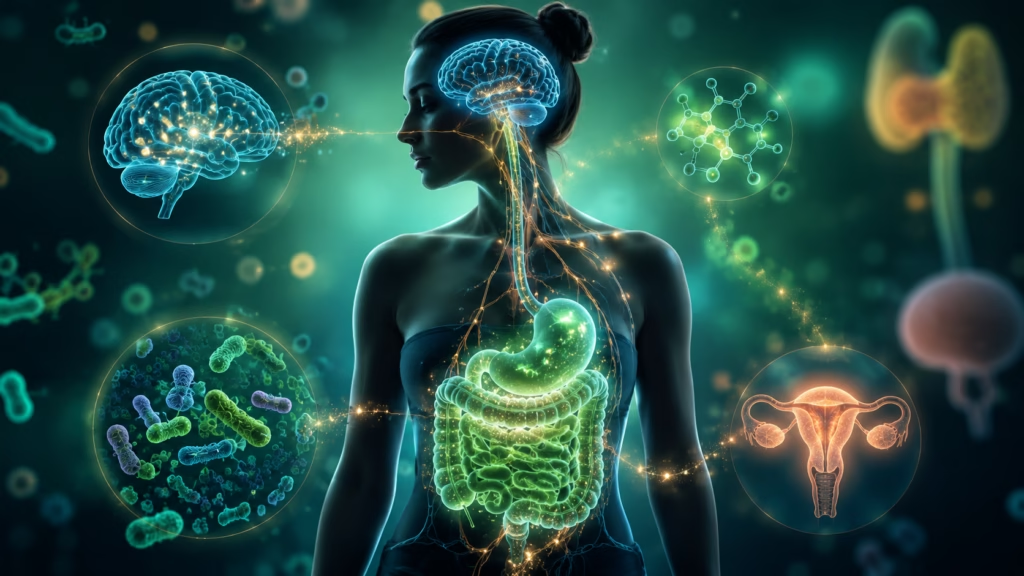
The gut microbiome plays a surprisingly large role in hormonal health. Certain gut bacteria (collectively called the “estrobolome”) are responsible for metabolizing and excreting excess estrogen. When your gut bacteria are out of balance, estrogen can be reabsorbed into the bloodstream rather than excreted — contributing to estrogen dominance, heavy periods, and PMS.
Lack of Exercise — or Too Much
Sedentary living impairs insulin sensitivity and slows lymphatic drainage and detoxification. But the reverse is also true: over-exercising, especially with insufficient fuel or rest, spikes cortisol and can suppress reproductive hormones, leading to irregular or absent periods.
Environmental Toxins
Endocrine-disrupting chemicals (EDCs) are found in many everyday items — plastic food containers, synthetic fragrances, conventional cleaning products, and pesticide residues on food. These chemicals can mimic or block natural hormones, particularly estrogen. Reducing exposure where practical is a sensible part of overall hormone support.
Birth Control and Medications
Hormonal contraceptives work by suppressing your natural hormonal cycle. For some women, this is the right choice and works well. Others notice impacts on mood, libido, or cycle regularity — particularly in the months after stopping. This is worth discussing openly with a healthcare provider who can support your transition if needed.
How to Balance Hormones Naturally
There’s no single magic fix for hormonal imbalance. What works is layering supportive habits — consistently, over time. Here are the most evidence-informed approaches.

1. Eat Hormone-Balancing Foods
Food is the foundation. What you eat directly influences your insulin response, cortisol levels, estrogen metabolism, and the health of the gut bacteria that regulate your hormones.
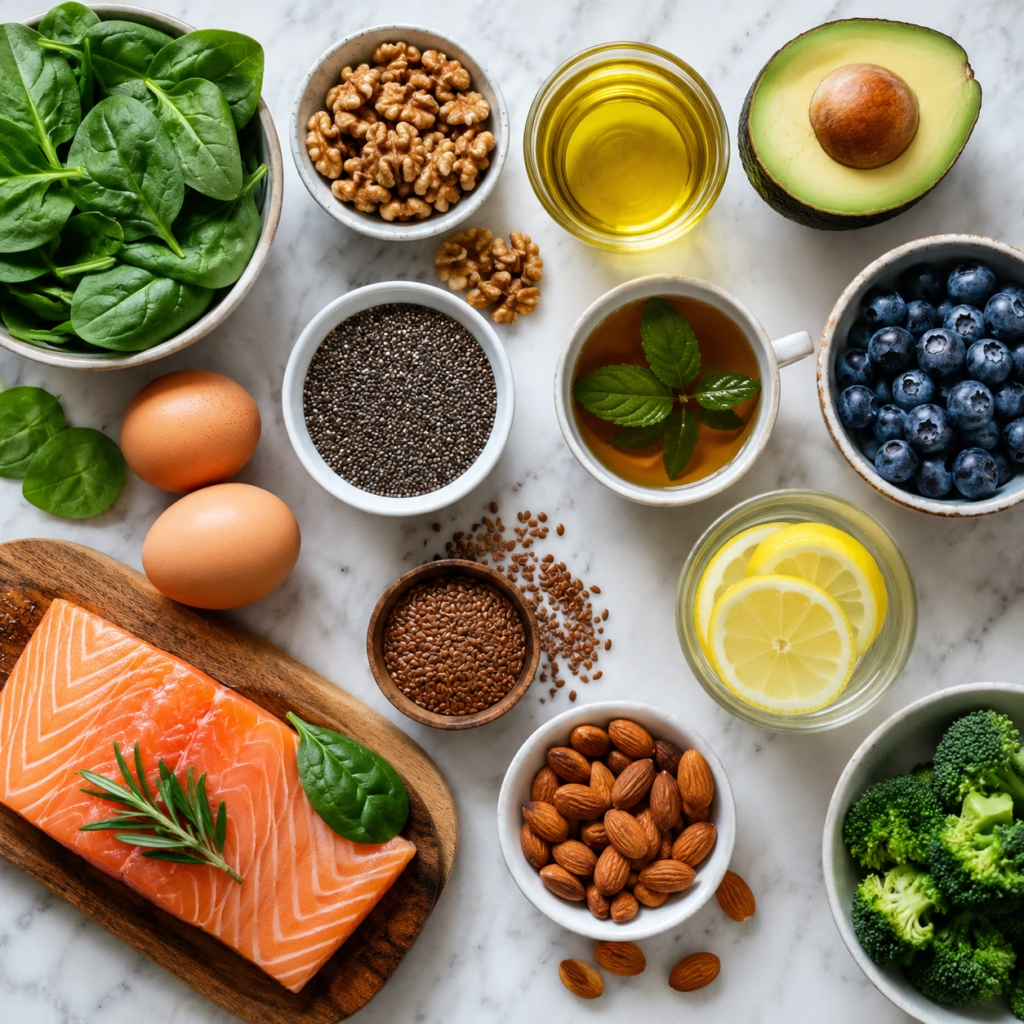
Best Foods for Hormone Health
- Fatty fish (salmon, sardines, mackerel) — rich in omega-3s that reduce inflammation and support cell membrane health
- Eggs — contain choline, vitamin D, and healthy fats critical for hormone production
- Avocados — provide healthy monounsaturated fats and potassium for adrenal support
- Leafy greens (spinach, kale, arugula) — packed with magnesium, which supports over 300 enzymatic reactions including cortisol regulation
- Berries — antioxidant-rich and low-glycemic, helping reduce inflammation without spiking insulin
- Nuts and seeds — especially flaxseeds (which support estrogen clearance), pumpkin seeds (zinc-rich for progesterone), and walnuts
- Cruciferous vegetables (broccoli, cauliflower, Brussels sprouts) — contain indole-3-carbinol, a compound that supports healthy estrogen metabolism
Fiber and Estrogen Detox
Dietary fiber — from vegetables, fruits, legumes, and seeds — binds to excess estrogen in the digestive tract and helps carry it out of the body before it can be reabsorbed. Aim for at least 25–30 grams of fiber daily.
Healthy Fats and Hormone Production
Hormones are literally made from fat. Cholesterol is the precursor to estrogen, progesterone, and cortisol. Eating enough healthy fat — from avocados, olive oil, eggs, fatty fish, and nuts — gives your body the raw materials it needs to produce hormones in adequate quantities.
Protein and Blood Sugar Stability
Eating adequate protein at each meal slows glucose absorption, stabilizes insulin, and reduces cravings. It also supports liver function (critical for hormone detoxification) and provides the amino acids needed for neurotransmitter production. Aim for a palm-sized portion of protein at every meal — eggs, fish, chicken, legumes, or Greek yogurt.
| Food | Hormone Benefit |
|---|---|
| Flaxseeds | Supports estrogen balance and detox |
| Pumpkin seeds | Zinc-rich, supports progesterone production |
| Salmon | Omega-3s reduce inflammation, support cortisol regulation |
| Broccoli | Supports healthy estrogen metabolism |
| Leafy greens | Magnesium for adrenal and cortisol balance |
| Eggs | Choline and vitamin D for hormone synthesis |
| Avocado | Healthy fats for hormone production |
2. Reduce Sugar and Processed Foods
Excess sugar is one of the fastest routes to hormonal chaos. Every sugar spike triggers an insulin surge. Over time, cells become less sensitive to insulin’s signal, and the pancreas works harder and harder to compensate. This cycle — called insulin resistance — disrupts nearly every other hormone in the body.
Simple swaps to reduce sugar’s impact:
- Replace sugary cereal with eggs and vegetables in the morning
- Swap sweetened drinks for sparkling water with lemon or herbal tea
- Choose dark chocolate (70%+) over milk chocolate when cravings hit
- Eat fruit with protein or fat (apple with almond butter) rather than alone
- Cook with whole ingredients rather than packaged sauces and seasonings (which often hide large amounts of added sugar)
3. Improve Gut Health
A healthy gut microbiome is one of the most underrated pillars of hormonal health. Beyond digestion, your gut bacteria influence inflammation levels, produce certain vitamins (including B vitamins critical for hormone metabolism), and regulate the estrobolome — the group of bacteria responsible for clearing excess estrogen.
Foods that support a healthy gut microbiome:
- Fermented foods: yogurt with live cultures, kefir, sauerkraut, kimchi, miso
- Prebiotic foods: garlic, onions, leeks, asparagus, oats, unripe bananas
- Bone broth: supports intestinal lining integrity
- High-fiber plants: feed beneficial bacteria populations
Reducing unnecessary antibiotic use, managing stress, and avoiding artificial sweeteners (which can disrupt gut bacteria) are also important gut health strategies.
4. Prioritize Sleep
If you could do one thing to balance your hormones, making sleep non-negotiable would have the widest ripple effect. During sleep, your body clears cortisol, resets melatonin rhythms, consolidates metabolic hormones, and performs cellular repair.
Even one or two nights of poor sleep can measurably increase cortisol, disrupt insulin sensitivity, and trigger cravings for high-sugar, high-fat foods the following day.
Sleep habits that support hormone health:
- Keep a consistent sleep and wake time, even on weekends
- Avoid screens for 30–60 minutes before bed (blue light suppresses melatonin production)
- Keep your bedroom cool, dark, and quiet
- Consider magnesium glycinate before bed — it supports GABA production, relaxing the nervous system and improving sleep quality
- Avoid caffeine after 12–2pm
- Wind down with a consistent pre-sleep ritual: reading, gentle stretching, herbal tea
5. Learn to Manage Stress
Chronic stress is the single most common hormonal disruptor — and the one most frequently overlooked.
How Stress Affects Your Hormones
When your brain perceives a threat — even a psychological one like an overflowing inbox — it triggers the release of cortisol and adrenaline. Acutely, this is helpful. Chronically, high cortisol suppresses progesterone (creating anxiety and cycle irregularity), blunts thyroid function (slowing metabolism), and promotes fat storage around the abdomen.
Natural Stress-Reduction Strategies
- Daily movement: even a 20-minute walk significantly lowers cortisol
- Breathwork: slow, diaphragmatic breathing activates the parasympathetic nervous system in minutes — try 4 counts in, 6 counts out
- Time in nature and sunlight: morning sunlight exposure regulates cortisol rhythms and supports serotonin production
- Journaling: externalizing worry reduces the cognitive load the nervous system carries
- Prayer or meditation: regular contemplative practice measurably reduces cortisol over time
- Social connection: meaningful relationships buffer the physiological stress response
- Reducing caffeine: if you’re already stressed, high caffeine intake amplifies cortisol output — consider switching some coffee to green tea or herbal alternatives

6. Exercise the Right Way
Movement is medicine — but the type, intensity, and frequency matter when you’re working to support hormonal balance.
Regular physical activity improves insulin sensitivity, supports healthy cortisol rhythms, boosts mood via endorphins and dopamine, and supports thyroid function. But high-intensity exercise every day — especially when you’re underslept or undereating — can become an additional stressor that elevates cortisol and suppresses reproductive hormones.
Best types of exercise for hormone balance:
- Daily walking: the most underrated hormonal intervention. A 20–30 minute walk after meals meaningfully lowers blood glucose and cortisol
- Strength training 2–3x per week: builds muscle (which improves insulin sensitivity), supports bone density, and boosts testosterone
- Yoga or Pilates: combines movement with breath and stress reduction — a dual benefit for hormonal health
- Low-intensity cardio (cycling, swimming, dancing): supports cardiovascular health without excessive cortisol stimulation
Signs you may be over-exercising:
- Persistent fatigue even on rest days
- Irregular or absent periods
- Mood decline despite regular workouts
- Frequent illness or slow recovery
If these apply, scaling back intensity and prioritizing rest may do more for your hormones than adding more training.
7. Support Your Body With Natural Supplements
While food and lifestyle form the foundation, certain well-researched supplements can provide meaningful additional support. Always consult a healthcare professional before starting any supplement regimen, especially if you’re on medications or managing a health condition.

Magnesium
Magnesium is involved in over 300 enzymatic reactions — including cortisol regulation, insulin signaling, and melatonin production. Most adults are deficient. Forms like magnesium glycinate (for sleep and anxiety) and magnesium malate (for energy) are well-tolerated. Foods rich in magnesium include leafy greens, pumpkin seeds, dark chocolate, and avocado.
Zinc
Zinc supports progesterone production, reduces androgens (relevant for PCOS and hormonal acne), and supports thyroid function. Found in pumpkin seeds, red meat, shellfish, and legumes.
Vitamin D
Technically a hormone precursor, vitamin D plays roles in immune function, mood regulation, and reproductive health. Deficiency is extremely common — especially in regions with limited sun exposure. Most adults benefit from supplementation, ideally alongside vitamin K2.
Omega-3 Fatty Acids
EPA and DHA (found in fish oil) are potent anti-inflammatory agents that support cell membrane health, brain function, and cortisol regulation. If you don’t eat fatty fish 3+ times per week, a quality fish oil or algae-based omega-3 supplement is worth considering.
Ashwagandha
An adaptogenic herb with strong research support for reducing cortisol, improving thyroid function, and supporting energy. Particularly useful for women experiencing chronic stress or burnout. Look for a product standardized to withanolide content.
Probiotics
A quality probiotic supports gut microbiome diversity, which in turn supports estrogen clearance and reduces inflammation. Look for multi-strain products with at least 10 billion CFUs and strains like Lactobacillus and Bifidobacterium.
Important: Supplements are not a substitute for medical care. If you suspect a significant hormonal imbalance, work with a healthcare provider to test your hormone levels and develop an appropriate plan.
A Sample Morning Routine for Hormone Balance

How you start your day sets the hormonal tone for the rest of it. Here’s a practical morning structure that supports natural hormone balance:
- Within 10 minutes of waking: Step outside or open curtains for natural light — this anchors your circadian rhythm and begins the natural cortisol awakening response at the right time
- Hydrate before caffeinating: Drink 1–2 glasses of water (add a pinch of mineral salt and lemon if you like) before reaching for coffee. Cortisol is naturally highest in the morning — waiting 60–90 minutes before coffee prevents unnecessarily amplifying it
- Eat a protein-forward breakfast: Eggs, Greek yogurt, smoked salmon, or a protein smoothie. Avoid starting the day with sugary cereal, pastries, or juice
- Move gently: A 15–20 minute walk, yoga flow, or stretching session supports cortisol regulation and insulin sensitivity
- Limit news and social media in the first hour: These are significant cortisol triggers. Protect your morning with intentional inputs — journaling, reading, quiet time
Foods That May Worsen Hormonal Imbalance

Some foods reliably undermine hormonal health when consumed regularly:
- Sugary drinks — sodas, flavored coffees, fruit juices — spike insulin rapidly with no nutritional benefit
- Ultra-processed foods — manufactured snacks, fast food, packaged meals — drive inflammation and gut dysbiosis
- Alcohol — impairs liver detoxification of estrogen and disrupts sleep architecture (even one drink affects sleep quality)
- Excessive caffeine — over-stimulates the adrenal glands, especially problematic if you’re already stressed or sleep-deprived
- Trans fats and industrial seed oils — found in fried foods and many packaged products, drive systemic inflammation
The goal is not perfection — it’s reducing the frequency of these foods so your baseline is primarily supportive.
Best Drinks for Hormone Balance
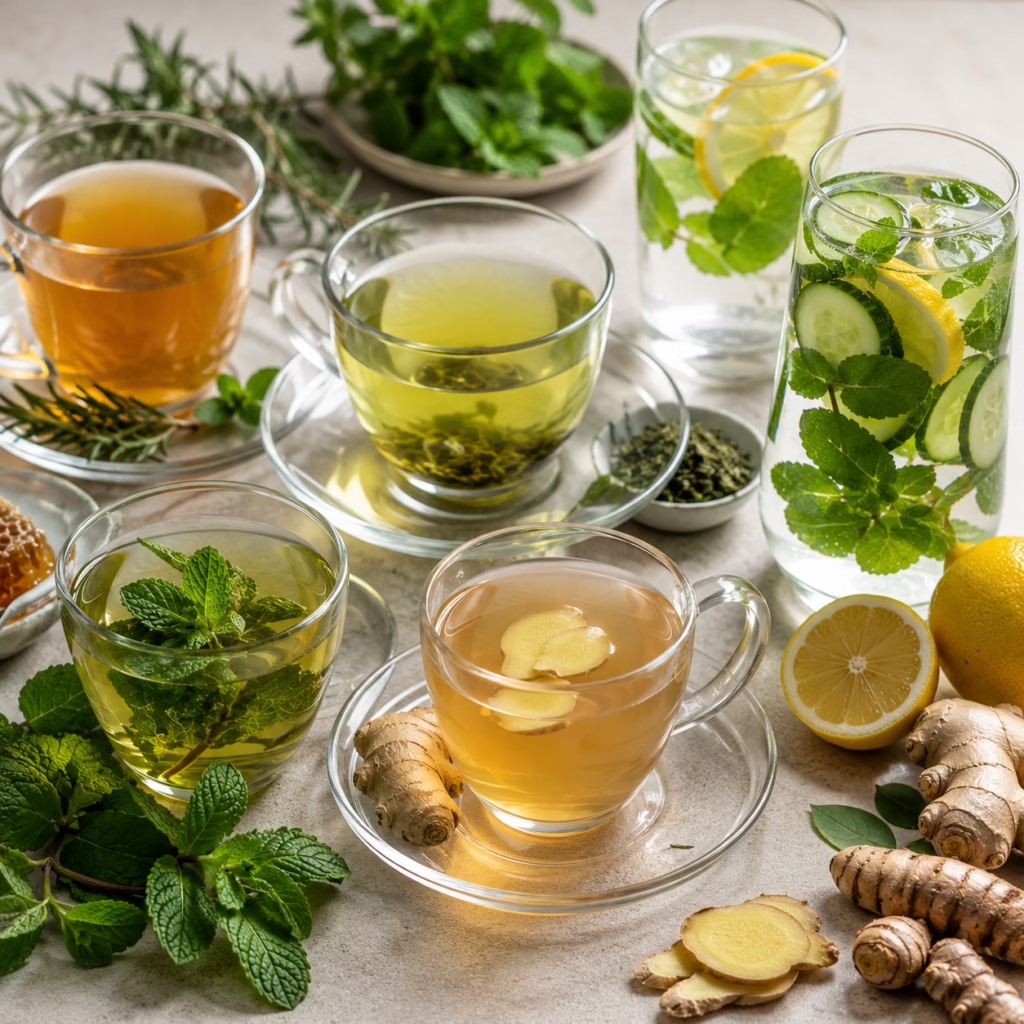
What you drink matters as much as what you eat. Beyond water, these beverages offer specific hormonal benefits:
- Spearmint tea: Research suggests two cups daily can meaningfully reduce androgen levels — particularly useful for women with PCOS or hormonal acne
- Green tea: Contains L-theanine (calming) and EGCG (anti-inflammatory); supports insulin sensitivity
- Ginger tea: Anti-inflammatory, supports gut motility and reduces prostaglandins that cause menstrual cramping
- Lemon water: Supports liver function and alkalinity; a gentle way to start the morning before coffee
- Chamomile tea: Promotes GABA activity in the brain, supporting sleep quality and anxiety reduction
How Long Does It Take to Balance Hormones Naturally?
This is one of the most common questions — and deserves an honest answer.
Hormones don’t rebalance overnight. How long it takes depends on the severity of the imbalance, how long it’s been present, your age, your stress load, and how consistently you implement supportive habits.

Realistic expectations:
- 2–4 weeks: Many women notice early improvements in energy, sleep quality, and mood when diet and sleep are prioritized
- 1–3 months: More significant changes — clearer skin, more regular cycles, reduced PMS — often emerge with consistent lifestyle changes
- 3–6+ months: Deep hormonal recalibration, particularly for conditions like PCOS, perimenopause, or post-pill recovery, generally takes 3–6 months or longer
The most important thing is consistency over intensity. A sustainable routine done regularly will always outperform a perfect week followed by a crash. Focus on progress, not perfection — and celebrate the small wins along the way.
When to See a Doctor
Natural strategies can do a great deal. But there are situations where professional evaluation is important — and shouldn’t be delayed:
- Absent periods for 3 or more consecutive months (outside pregnancy)
- Severe fatigue that doesn’t improve with rest and lifestyle changes
- Symptoms suggesting thyroid dysfunction — unexplained weight changes, hair loss, cold intolerance, heart palpitations
- Signs of PCOS — irregular cycles, excess facial hair, weight gain concentrated around the abdomen
- Perimenopause or menopause symptoms significantly affecting quality of life
- Mental health symptoms — severe depression or anxiety that doesn’t respond to lifestyle changes
- Any sudden, significant change in your menstrual cycle or hormonal symptoms
A good starting point with your doctor is asking for a hormonal panel that includes estrogen, progesterone, testosterone, DHEA-S, thyroid (TSH, Free T3, Free T4), cortisol, fasting insulin, and vitamin D. These give a meaningful picture of what’s happening and where support is most needed.

Frequently Asked Questions
Can hormones balance naturally without medication?
For many women — especially those with mild to moderate imbalances — yes. Food, sleep, stress management, and targeted lifestyle changes can meaningfully shift hormonal health over weeks to months. For more significant imbalances (PCOS, hypothyroidism, early perimenopause), natural strategies are still highly beneficial but may work best alongside medical support rather than instead of it.
What is the fastest way to balance hormones naturally?
The highest-leverage place to start is usually sleep and blood sugar regulation. Prioritizing 7–9 hours of quality sleep and reducing sugar and refined carbohydrates often produces noticeable changes in energy, mood, and cravings within one to two weeks. Adding daily walking, protein at every meal, and stress reduction amplifies these effects.
Which foods help balance hormones most?
Fatty fish, leafy greens, eggs, avocados, flaxseeds, cruciferous vegetables, and fermented foods consistently show up in the research as most beneficial for overall hormone health. The common thread is that they support insulin sensitivity, reduce inflammation, supply the raw materials for hormone production, and support gut health and estrogen detoxification.
Can stress cause hormonal imbalance?
Yes — and it’s likely more significant than most women are told. Chronic stress elevates cortisol, which suppresses progesterone, disrupts thyroid function, impairs insulin sensitivity, and promotes fat storage. Stress management is not a luxury — for many women, it’s the highest-impact hormonal intervention available.
What vitamins help balance hormones?
Vitamin D (hormone precursor), magnesium (cortisol and insulin regulation), zinc (progesterone and androgen balance), and B vitamins (liver detoxification and neurotransmitter production) are the most well-researched. Omega-3 fatty acids are also essential, though technically not a vitamin.
How do I know if my hormones are imbalanced?
The most reliable way is through blood testing with a knowledgeable healthcare provider. Tracking symptoms — cycle regularity, energy levels, sleep quality, mood patterns, skin changes — provides useful subjective data. Apps like Clue or Natural Cycles can help you spot patterns over time.
Does exercise help hormonal balance?
Yes — with an important caveat. Moderate, consistent exercise (walking, strength training, gentle cardio) significantly improves insulin sensitivity, reduces cortisol, and supports thyroid function. Over-exercising — particularly high-intensity training without adequate rest or fuel — can worsen hormonal imbalances by elevating cortisol and suppressing reproductive hormones.
Can gut health affect hormones?
Absolutely. The gut microbiome regulates estrogen clearance through the estrobolome, produces neurotransmitters that influence mood hormones, and plays a central role in inflammation levels that affect every hormonal system. A disrupted gut (from poor diet, stress, or antibiotics) often shows up as hormonal symptoms — particularly estrogen-related issues like heavy periods and PMS.

Final Thoughts
Your hormones are not your enemy. They’re an incredibly sophisticated communication network doing their best to keep you well — and they’re deeply responsive to the daily signals you send through how you eat, sleep, move, and manage stress.
The path to balanced hormones isn’t about perfection or doing everything at once. It’s about understanding what your body needs and building a consistent foundation of supportive habits — one at a time.
Start with the basics: stabilize your blood sugar, prioritize sleep, reduce your stress load, and eat more whole, nutrient-dense foods. Then layer in movement, gut support, and targeted supplements as you go.
Give your body time. Be patient with the process. And when symptoms are significant or persistent, work with a healthcare provider who takes your hormonal health seriously.
You know your body better than anyone. Trust that knowledge — and trust the process.
This article is for educational purposes and is not intended as medical advice. Always consult a qualified healthcare professional for personalized guidance on your hormone health.